What community organising can do
Local people, shared power, real change. How neighbours in every part of Portsmouth can act together, and the evidence that it works.

The question behind it all
Community action brings people together to improve something they share. Its strength comes from relationships, a clear goal and a practical way to get there. Meetings, surveys and websites help, but the test is what changes afterwards.
A ward is a useful place to start: it's how we find people, figures and councillors. But people often feel they belong to a street, an estate, a school or a neighbourhood instead. Let the issue decide the area, and work across boundaries when it needs to.
What do we want to change, who can make that decision, and how do we build enough influence together to get it?
Four ways people act together
They overlap and feed each other. A regular get-together might show there's nowhere affordable to meet. Residents could negotiate use of a venue, then look at running a space themselves.
Organising
Neighbours build relationships, find the concerns they share, develop leaders and negotiate or campaign for change. Their influence comes from acting together.
Ownership
A community owns or runs something, such as a building, homes or an energy project. That gives people a direct say over its future.
Shared decisions
Residents weigh things up and help decide priorities or spending. This has real power when it's connected to an actual decision or budget.
Mutual support
People pool time, skills and resources: running activities, sharing equipment, helping neighbours. That builds the trust needed for bigger things.
It has worked before
Four examples of different kinds of people power. They show what's possible in particular conditions. They don't promise every campaign will win.
- nearly 17,000employers accredited for the real Living Wage
The real Living Wage
Began in East London in 2001, when local institutions and low-paid workers turned shared experience of working poverty into one demand to employers. The Living Wage Foundation reported nearly 17,000 accredited employers in October 2026, and estimates nearly £5 billion in extra wages since the campaign began. These are the Foundation's own figures.
Living Wage Foundation - 23community land trust homes kept affordable
St Clements, East London
Citizens UK and London Community Land Trust members campaigned for community-led housing on a former hospital site. Families moved in in 2017, and a resale in 2024 kept the homes affordable for the next buyer. It took years, money and partnerships.
London Community Land Trust - 638resident-chosen projects delivered in Paris
Participatory budgeting in Paris
Residents propose and vote on projects for part of the city budget. A 2025 city guide records 1,345 winning projects from the 2014 to 2024 rounds, 638 delivered by mid-2025, and €771 million allocated. A winning vote and a finished project are different milestones.
City of Paris guide, page 13 - 1997the year Schönau residents took over their electricity grid
Schönau, Germany
A parents' group set up after Chernobyl learned the technical side, raised the money and won two local referendums before taking over the town's grid. They moved from campaigning to running the alternative themselves.
German Federal Environmental Foundation
And in Portsmouth
Portsmouth City Council records the Fawcett Road Greening group helping to plant Fratton Pocket Park, and volunteers taking part in tree planting across the city. Small changes count when they make everyday life better. Portsmouth City Council: community projects.
The totals are the figures those organisations reported. These are case studies, not a controlled test of how well community organising works overall.
How it works on your street
Six steps, from a few neighbours talking to a change that sticks. Open each one to see what it involves.
Find a small organising group
Start with a handful of neighbours willing to listen and share the jobs. Find the residents' associations, community groups, schools, faith groups and venues already there, and build on their work.
Listen before choosing a campaign
Talk in person as well as online. Ask what people value here, what makes life hard, what they'd change, and whether they'd help. Note the themes, with permission, and look for the voices missing from the first meeting.
Choose one specific issue you can win
Decide together how you'll choose. Look for something many people feel, with a clear decision-maker and enough people willing to act. Publish who took part and how you chose.
Find out the facts and make a clear ask
Combine what people have experienced with site visits and reliable figures. Check what's already planned and who's responsible. Be clear what you want changed, who can deliver it and what would show it worked.
Organise, negotiate and follow up
Share the roles, meet the decision-maker together and ask for a specific commitment with a date. If it stalls, agree a proportionate next step: a bigger meeting, a joint letter or a public campaign.
Report back and grow new leaders
Record the answer, what was delivered and what's still to do. Check whether the change helped. Share credit and responsibility, so the group doesn't depend on one person.
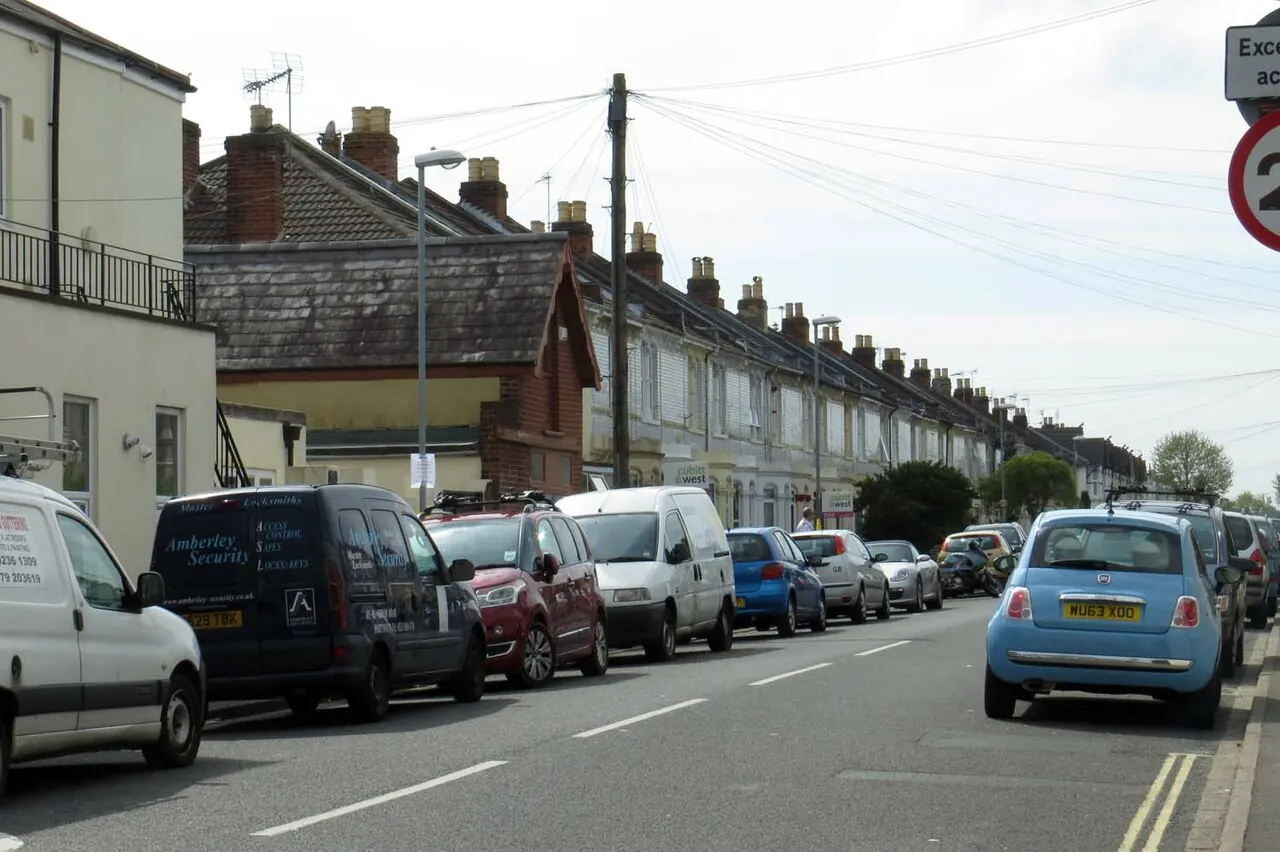
An example: from "parking is terrible" to a campaign
An illustration only, not a real problem we've found.
- Listen
Residents say parked vehicles block the view at one junction.
- Check
Walk the route with the neighbours affected, record it safely, and work out whether it's about road layout, parking rules or enforcement.
- Ask
Request an assessment from whoever is responsible, a written response, and a fix agreed through that assessment.
- Measure
A decision, any works or enforcement, and a follow-up look at whether visibility actually improved.
Don't assume new parking restrictions are the answer before finding out.
How local groups and CAP fit together
A local group speaks for the people who take part in it. It shouldn't claim to speak for a whole ward without a proper mandate.
| A local residents' group | Community Action Portsmouth |
|---|---|
| Chooses its own priorities and develops its own leaders | Offers facilitation, organising help, space on this website and shared tools |
| Builds relationships and runs the campaign | Connects groups, helps find who decides, and shares what's been learned |
| Reports honestly to its community | Supports accessible ways to take part, good evidence and keeping things going |
| Decides whether an issue needs wider support | Helps coordinate city-wide issues without taking over local choices |
What it could do in Portsmouth
These are possibilities, not priorities residents have chosen or promises from anyone. Residents decide what to work on.
Places to meet
- A first step
- Negotiate regular, affordable, accessible use of an existing venue
- What success could look like
- Agreed access, sessions running, residents sharing the work
Safer journeys
- A first step
- Look into one crossing, junction or hard-to-use route with the people affected
- What success could look like
- An agreed fix delivered, and checked afterwards
Rented homes
- A first step
- Bring tenants together around a shared repair or service problem
- What success could look like
- Repairs done, or a specific commitment kept
Somewhere for young people
- A first step
- Support young people to design a regular activity or use of a space
- What success could look like
- It's running, with young people involved in decisions
Fair pay
- A first step
- Work with staff and a willing employer towards Living Wage accreditation
- What success could look like
- Accreditation and checked pay rises
Investment in your neighbourhood
- A first step
- Hold open conversations and find a clear route into spending decisions
- What success could look like
- Published decisions showing how residents' ideas shaped the spending
Pride in Place
Portsmouth City Council names Landport (Fratton West in government papers) and Paulsgrove (Paulsgrove East) as Pride in Place areas. It says each will receive up to £20 million over ten years, with residents helping to shape the priorities. CAP could help residents take part through the programme's own arrangements. The money doesn't belong to CAP. Portsmouth City Council: Pride in Place.
Who does what
Community Action Portsmouth
The local space for community building and organising. Residents choose the priorities, develop the campaigns and account for the results. Our job is to help people build their own ability to act together.
Pompey Counts
From Facts Count, it provides the local figures, sources and analysis on this site, so people can check claims and understand their area. A data credit doesn't mean Pompey Counts backs a campaign.
Our House
A UK-wide movement for people-powered democracy, helping communities write People's Charters. CAP connects Portsmouth's ideas for a better democracy with it. Who are Our House?
How we'll know it's working
- New resident organisers, and people coming back to take part
- Relationships with groups already working in each area
- Commitments won from the people who decide, and changes delivered
- Whether those changes actually helped
Website visits and vote counts show activity, but they don't prove impact on their own. Online votes and issues come from the people who choose to take part, so they don't automatically represent a whole ward. That's why we also offer paper slips and in-person assemblies, and say who took part.
Sources
- Queen Mary University of London: 25 years of the Living Wage
- Living Wage Foundation, 15 October 2026
- London Community Land Trust: St Clements and Greater London Authority
- City of Paris participatory budget guide, 2025 (figures on page 13)
- German Federal Environmental Foundation (DBU): Schönau and EWS Schönau
- Portsmouth City Council: community projects
- Portsmouth City Council: Pride in Place
- Our House and its plans
From Community Action Portsmouth's information and discussion paper, November 2026. Sources checked on 14 November 2026. Programme details and what organisations offer may change.